
DR Dominoes Fives and Threes Variant
Combined scoring when open ends hit multiples of three or five.
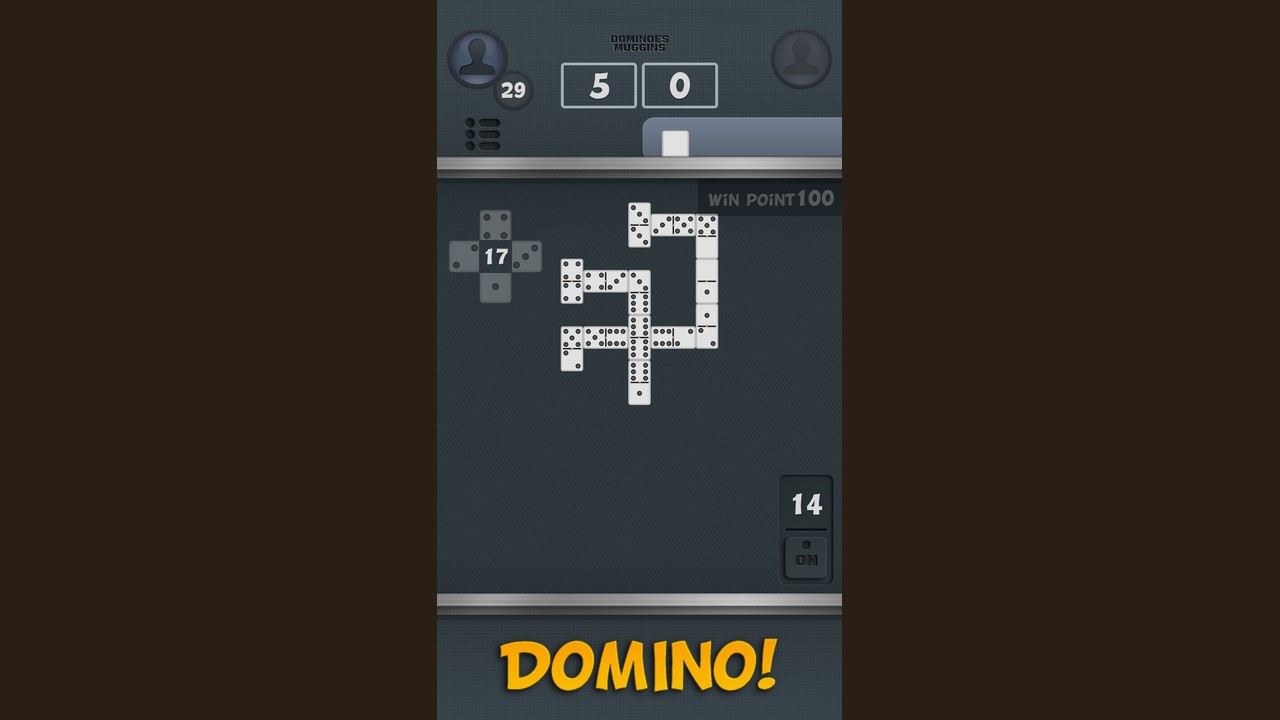
Fives and Threes is the combined scoring variant in DR Dominoes: after a legal play, sum the open ends. If that total is divisible by 3 or by 5, you score it. Numbers divisible by both (like 15) still score once as that total—you do not double-dip. The mode sits between Muggins / All Fives and All Threes, and it is best learned after you can score each modulus separately.
Rule in one breath
Play by normal Dominoes matching on the double-six set. After your tile settles:
- Count every open end / spinner arm.
- Add the exposed values.
- If sum mod 3 = 0 or sum mod 5 = 0, score the sum.
- If neither, score 0 for the play.
Still shaky on matching, doubles, or the boneyard? Read How to Play Dominoes before optimizing combined scoring.
Which totals score?
On typical small boards you will repeatedly see totals from about 0 through the low twenties. Scoring hits include:
- Multiples of 5: 5, 10, 15, 20, …
- Multiples of 3: 3, 6, 9, 12, 15, 18, …
- Overlap: 15 (and 0 in edge cases) qualifies under both rules but pays the single total
Non-examples matter too: 1, 2, 4, 7, 8, 11, 13, 14, 16, 17, 19 fail both tests (among common sums). A flashy 14-point looking board scores nothing here.
Why the mode feels “hotter”
Because two moduli are live, fewer boards are sterile. That creates:
- More scoring turns per hand
- More denial decisions (you must spoil either a multiple of 3 or 5 depending on what you leave)
- Higher cost to autopilot All-Fives-only thinking
- Greater payoff for residue awareness from All Threes practice
If you only hunted multiples of 5, you will miss easy 6s and 9s. If you only hunted multiples of 3, you might undervalue shaping a 10 when a 9 is unavailable.
Side-by-side examples
| Open ends (concept) | Sum | All Fives | All Threes | Fives and Threes |
|---|---|---|---|---|
| 5 + 0 | 5 | Score 5 | No | Score 5 |
| 6 + 3 | 9 | No | Score 9 | Score 9 |
| 5 + 5 | 10 | Score 10 | No | Score 10 |
| 6 + 5 + 4 | 15 | Score 15 | Score 15 | Score 15 |
| 6 + 5 | 11 | No | No | No |
| 4 + 2 | 6 | No | Score 6 | Score 6 |
Use this table while practicing offline. Say the mode name before you judge the board so your brain does not snap back to All Fives defaults.
Spinner arms and combined scoring
Extra arms from a spinner increase both opportunity and miscount risk. Three arms showing 2, 2, and 1 total 5 → scores in Fives and Threes (via 5) even though it fails All Threes alone? Wait—2+2+1=5, divisible by 5, yes scores; not by 3. Arms showing 4, 4, and 4 total 12 → scores via 3, not via 5. Arms showing 5, 5, and 5 total 15 → scores under both rules as 15 once.
Detailed arm and double counting belongs on Scoring and Spinners. On the phone UI, confirm each highlighted end with habits from Controls.
Strategy implications
- Always compute the post-play sum before tapping. Combined modes punish “it matches, ship it.”
- Prefer scores you can take now when safe; frequent small 3/5/6/9 chains beat waiting forever for a perfect 20.
- Denial is broader. Leaving 9 is as rude as leaving 10. Survey both moduli when you choose among legal tiles.
- Track tile parity and key connectors using Strategy. When many totals score, knowing whether a 3 or 5 spot is still in the unseen set matters more.
- Compare openings with the Tier List Hub, filtered for combined-mode volatility.
Learning order inside DR Dominoes
Recommended path from Getting Started:
- Offline All Fives until multiples of 5 are instant.
- Offline All Threes until multiples of 3 are instant.
- Offline Fives and Threes with forced narration: “sum X — hits 3? hits 5?”
- Only then take the mode online—see Online Multiplayer for timers and queue patience.
Skipping straight to combined scoring is how players invent house math mid-hand and argue with the results screen.
App and platform notes
SUD Inc. / Studio UpDown offers Fives and Threes among the scored variants in the free, ad-supported DR Dominoes client on Android and iOS (package com.ansangha.drdominoes). Confirm the mode label before the first tile lands—especially in online play where opponents expect the selected ruleset. Version skew exists: Android has seen newer builds such as 1.28 (Jul 2025) while iOS may remain on older versions. If UI score popups disagree with your sum, recount arms before accusing the client; then escalate practically if plays look impossible.
Mistakes unique to combined mode
- Double-counting 15 as “15 + 15” because it qualifies twice (it should pay 15 once).
- Calling 7 a near-miss emotionally while forgetting 6 was available with another tile.
- Leaving “safe for fives” boards that are candy for threes (or the reverse).
- Mixing end-of-hand rules from a different variant after a hot mid-hand.
Practice drill
Deal a solitary layout (or play vs AI) and after every move write three marks: sum, divisible-by-3?, divisible-by-5?. Do this for two full hands without caring who wins. Accuracy first, eloquence later. When the marks take under two seconds, you are ready to add denial and counting from the Strategy guide.
Fives and Threes is the “both lenses on” mode. It rewards players who can switch moduli without drama—and that skill transfers back to pure All Fives and All Threes the next time you queue those variants.
Frequently Asked Questions
Quick answers to the most common questions.
When do you score in Fives and Threes?
When the open-end sum is divisible by 3 or by 5. Totals like 15 qualify under both but score once.
Is 15 worth thirty points?
No. Even though 15 is divisible by both 3 and 5, you score 15 once for that play.
Should I learn this before All Fives?
No. Learn All Fives, then All Threes, then Fives and Threes so you do not mix scoring rules.
Does a spinner change the combined rule?
Only by adding arms to the sum. The trigger stays the same: total divisible by 3 or 5.
Where do I read pure All Threes or All Fives?
See the All Threes guide and the Muggins / All Fives guide linked throughout this page.