
Dominoes Strategy for DR Dominoes
Counting, end control, blanks, and denial plays that win points.
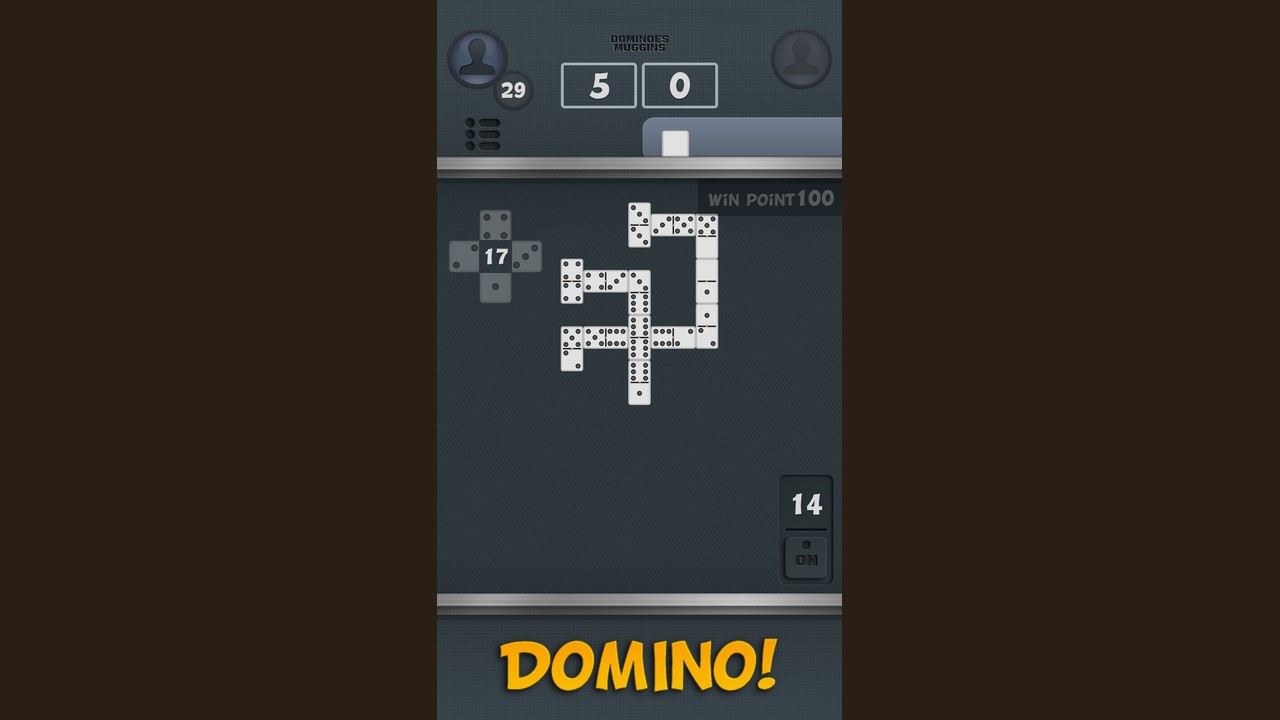
Rules tell you what is legal; strategy tells you which legal tile to play. In DR Dominoes, scored variants like Muggins / All Fives, All Threes, and Fives and Threes reward players who count the 28-tile double-six set, shape open ends, and deny easy multiples. If you still hesitate on matching ends or boneyard draws, finish How to Play Dominoes and Getting Started before optimizing.
Principle 1: count what is gone
Every tile is unique. When [6|6] is played, nobody else has it. Mentally track:
- High doubles (
[5|5],[6|6]) that change topology and spinner potential - Blanks and low connectors that “turn off” hot boards
- Suits (numbers) that are getting thin—if many 5s are gone, a lone open 5 is harder to answer
You do not need perfect memory on day two. Start by tracking doubles and one focus suit (often 5 in All Fives). Expand as speed allows. Online timers punish deep recall attempts—practice counting offline first, then bring a lighter version into Online Multiplayer.
Principle 2: control the open ends
After each play, you choose the new tip(s) the opponent must answer. Ask:
- Does my play score under the current mode? (See Scoring and Spinners.)
- What sum do I leave for them?
- Do I hold answers to the ends I am leaving, in case the line comes back?
A play that scores 5 but leaves a glaring 15 can be a blunder. A play that scores 0 but leaves a dead 7 (in All Fives) can be excellent. Score sheets reward net expectation across the next one or two plies, not isolated fireworks.
Principle 3: blanks are tools, not trash
Blanks (0) match only blank ends for placement, but as open tips they add zero to scoring sums. That makes them surgical:
- Opening or creating a blank tip can erase an opponent’s multiple
- Holding blanks late helps you answer awkward empty ends
- Wasting a blank early on a non-problem board spends a scarce control tile
In All Fives, turning a 5-and-5 (10) into a 5-and-0 (5) may still score for someone—but turning 6-and-4 (10) into 6-and-0 (6) kills the five-multiple entirely. In All Threes, blank tips often complete or break multiples of 3 in ways that surprise Fives-only players.
Principle 4: denial plays
Denial means choosing the legal tile that minimizes the opponent’s easy score even if you forgo a small score yourself. Practical denial checklist:
- List every legal play
- Compute your immediate score for each
- Compute the left-behind sum and whether it hits the mode’s multiples
- Prefer lines where they need scarce tiles to cash in
- When unsure, avoid leaving double-scoring shapes in Fives and Threes (boards that hit 3 or 5)
Denial is not passive. Sometimes the best denial is taking 10 now so they never see the board that would have given them 15.
Principle 5: doubles and spinners are tempo
Doubles change the geometry. Playing the first double may create a spinner with extra arms—more scoring surface, more miscount risk, more control if you hold the matching suits. Ask whether you want a wide board. If you are ahead on points and hold flexible answers, widening can be fine. If you are stiff in key suits, keep the board narrow.
Late doubles in hand are heavy pip risks at settlement. If the hand may block, dumping high doubles earlier (when safe) reduces end-of-hand damage. Balance that against giving opponents a spinner they wanted.
Opening and early-hand heuristics
- Lead tiles that keep your hand connected across multiple suits
- Avoid isolating yourself into one number early
- Note the deal strength: many doubles can mean spinner control or pip danger
- In All Fives, respect early chances at 5/10 without gifting the same
- Cross-check opening priorities with the Tier List Hub for a ranked view of strong leads and problem tiles
Heuristics bend by mode. A “great” All Fives leave can be a free All Threes gift—recompute when you switch variants.
Mid-hand: the three-question loop
Every turn:
- Score? Can I make a multiple now?
- Safe? What do I leave?
- Future? Do I still answer the ends I care about?
If two tiles score the same, pick the safer leave. If no tile scores, pick the leave that is hardest for them to score on—then the leave that keeps your hand flexible.
Late hand: going out vs points
Racing out reduces their turns and can award leftover pips. Sometimes taking one more mid-hand score is worth delaying the race; sometimes a stiff hand should dump pips and exit. Watch the boneyard size: few draws left means fewer escapes when you are blocked. Players who only chase go-outs in All Fives often lose to opponents who farm multiples.
Mental game on mobile
- Confirm arms before tapping (Controls)
- Do not let ads or queue waits tilt you into autopilot plays
- Take short sessions when focus drops—miscounts are self-inflicted losses
- Review one hand afterward: which leave gifted a 10 or 9?
Putting it together in DR Dominoes
SUD Inc. / Studio UpDown’s free Android/iOS client is a convenient trainer: offline reps for counting, online reps for speed. Android builds such as 1.28 (Jul 2025) may differ slightly in UI from older iOS builds—strategy fundamentals do not. Use offline All Fives to master five-multiples, then translate the same loop to All Threes and Fives and Threes.
Practice plan (one week)
- Two offline hands: count doubles only aloud.
- Two hands: after every opponent play, name the open sum before you look at your tiles.
- Two hands: forbid yourself from taking a score that leaves an obvious return multiple.
- Two hands: focus blank discipline only.
- Then play online with the lighter counting set.
Strategy in Dominoes is mostly accurate perception under mild time pressure. The players who “get lucky” usually saw the leave two plies earlier. Build that habit, then let the tier list refine which tiles deserve priority when several plans look equal.
Frequently Asked Questions
Quick answers to the most common questions.
What should I track first when counting tiles?
Start with doubles and one key suit (often 5s in All Fives). Add more suits as your speed improves.
Is scoring always better than denial?
No. A small score that leaves an easy 10 or 15 for the opponent is often worse than a zero that leaves a dead board.
Why are blanks important?
As open tips they add zero to the sum, so they can kill or create scoring multiples while answering blank ends.
Where should I read mode-specific scoring?
All Fives, All Threes, Fives and Threes, plus Scoring and Spinners for arm math.
How does the tier list relate to strategy?
Use the Tier List Hub for ranked opening and tile priorities after you can count ends and deny scores consistently.