
DR Dominoes Online Multiplayer Mode
Live tables, real pace, same double-six scoring family.
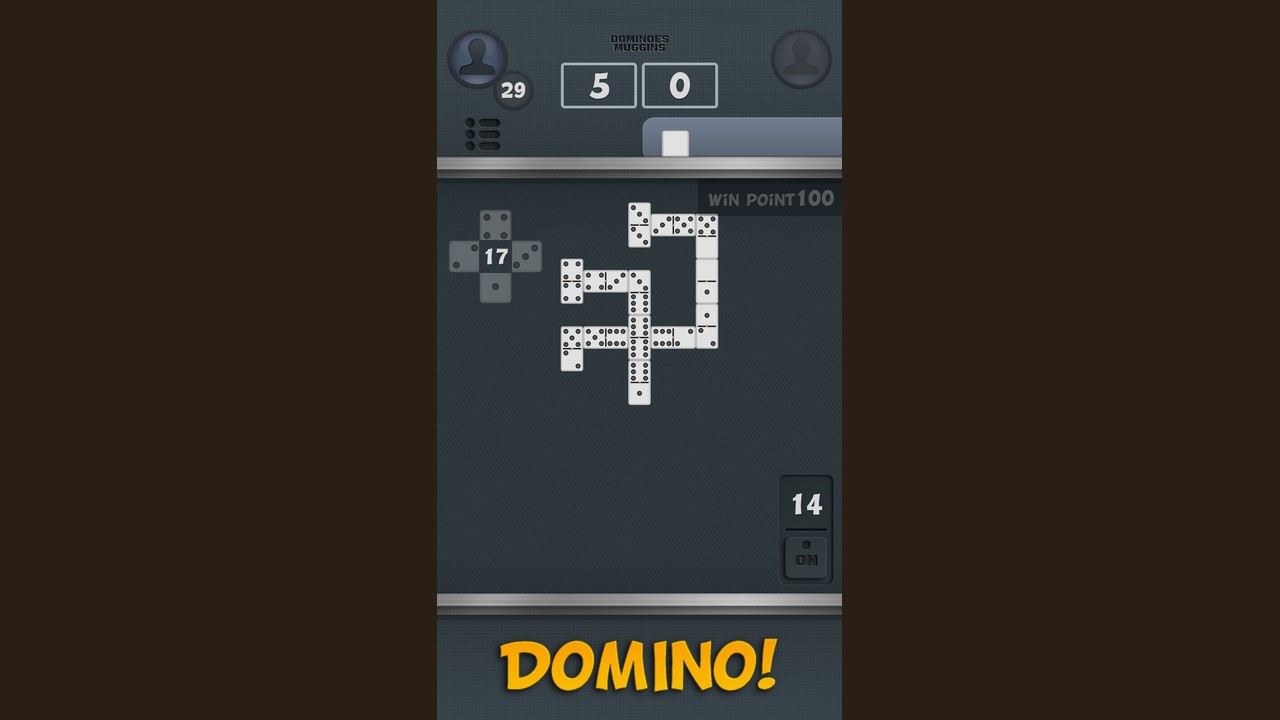
Online multiplayer is where DR Dominoes stops being a quiet puzzle and becomes a race of reads. Published by SUD Inc. as a free Android and iOS app with ads, the online mode still uses the classic double-six set of 28 tiles and the familiar scoring variants: Muggins / All Fives, All Threes, and Fives and Threes. This page is the deep dive for match flow, mindset, and practical habits. For the mode comparison, return to the Modes Hub. For broader matchmaking notes, see the online multiplayer guide.
What online keeps the same
- Same 28-tile double-six deck
- Same need to match open ends
- Same immediate scoring when open ends hit the variant’s multiples
- Same end-of-hand pressure from leftover pips
If you can sum ends offline, you can sum them online. The difference is clock pressure, incomplete information about the opponent’s hand, and fewer chances to undo a greedy play.
What online changes
- Pace — Opponents punish hesitation indirectly by keeping the board hot; you must decide faster.
- Reads — Track which suits they play into or avoid.
- Risk tolerance — A 10-point grab that opens a 15 reply is costlier against a sharp human.
- Session rhythm — Ads and queue flow are part of the free client; plan short focused blocks instead of marathon tilt sessions.
Pre-match checklist
Before you queue:
- Confirm the variant (All Fives vs All Threes vs Fives and Threes).
- Skim one opening plan from Opening Moves.
- Remind yourself of blank and high-double priorities from Tile Priority.
- Keep the score helper mentality: sum ends every single play.
- Decide your default posture: score-first if balanced, flexibility-first if clumped.
Match flow (mental model)
Think of each online hand in four phases:
1) Opening
Play the required or best-supported double, then protect suit density. Do not empty a live suit for a tiny score unless you are racing to finish.
2) Mid-hand scoring
Hunt multiples that you can follow up. In All Fives, targets are 5, 10, 15, 20, and higher. In All Threes, think 3, 6, 9, 12…. In Fives and Threes, both families are live—so denial becomes as valuable as scoring.
3) Contested ends
When both players can touch the same hot end, prefer the play that either cashes a multiple or leaves an awkward pip you know they dislike. Watch for blanks that zero a dangerous count.
4) Endgame
As the boneyard dries up, leftover weight matters. Dump high orphans earlier than feels comfortable. A blocked board awards the low hand—do not be the player stuck with [6-6] in a quiet scoring hand.
Online-specific tactics
- Tempo scores: Take medium scores that keep initiative when the opponent is clearly fishing for a big count.
- Bait carefully: Leaving a tempting end only works if you hold the answers.
- Suit shortfall reads: If an opponent draws or passes patterns suggest they lack a pip, steer ends toward that weakness.
- Variant awareness: Never grind for fives while the table is actually All Threes.
Deeper pattern talk lives in strategy and rules clarity in Muggins / All Fives.
Handling ads and free-to-play realities
DR Dominoes is free with ads. Online sessions feel best when you:
- Play in 20–40 minute blocks
- Step away after two frustrating hands instead of forcing “revenge queues”
- Use ad breaks as a forced reset to recheck variant and priorities
You are not paying an entry fee for each match—respect your focus instead.
Practice bridge from offline
A strong online climb usually follows this bridge:
- Offline: five All Fives hands summing every end aloud.
- Offline: two Fives and Threes hands focusing on denial.
- Online: short session applying the same opening templates.
- Review: note whether losses came from miscounts, bad dumps, or greed.
Use offline mode as the lab. Online is the exam.
Common online leaks
- Playing too fast after a big score and missing the new open-end sum
- Ignoring leftover pip risk because “mid-hand scoring felt fine”
- Tilting into maximum-aggression lines after one bad draw
- Forgetting that blanks still count as zero under pressure
- Skipping updates—Android has seen fresher clients than iOS historically; check the Updates Hub
Session goals (examples)
- “Today I will not play a blank without summing ends.”
- “Today I will dump one high orphan before the boneyard is empty.”
- “Today I will refuse one greedy 5 that opens an opponent 15.”
Small goals beat vague “play better” mantras.
Related links
Online multiplayer in DR Dominoes rewards calm arithmetic more than flashy intuition. Keep the SUD Inc. free+ads client updated on Android or iOS, trust the same 28-tile math you learned offline, and let good priorities—not impulse—choose your next bone.
Frequently Asked Questions
Quick answers to the most common questions.
Is online multiplayer free in DR Dominoes?
Yes. SUD Inc. offers DR Dominoes as a free Android and iOS app supported by ads, including online play.
Which variants can I play online?
Expect the scoring family built around Muggins/All Fives, All Threes, and Fives and Threes on the double-six 28-tile set. Confirm the active variant before you queue.
How is online different from offline?
Rules math stays the same; pace, opponent unpredictability, and risk management change. Drill offline, then apply online.
What should I practice before playing online?
Openings, blank decisions, and open-end counting. Use the score helper and offline mode for short warm-ups.
Where else should I read about multiplayer?
See the Modes Hub and the dedicated online multiplayer guide for additional match-flow advice.