
DR Dominoes Hold vs Dump Tile Priorities
Blanks, high doubles, and end-control bones ranked for All Fives.
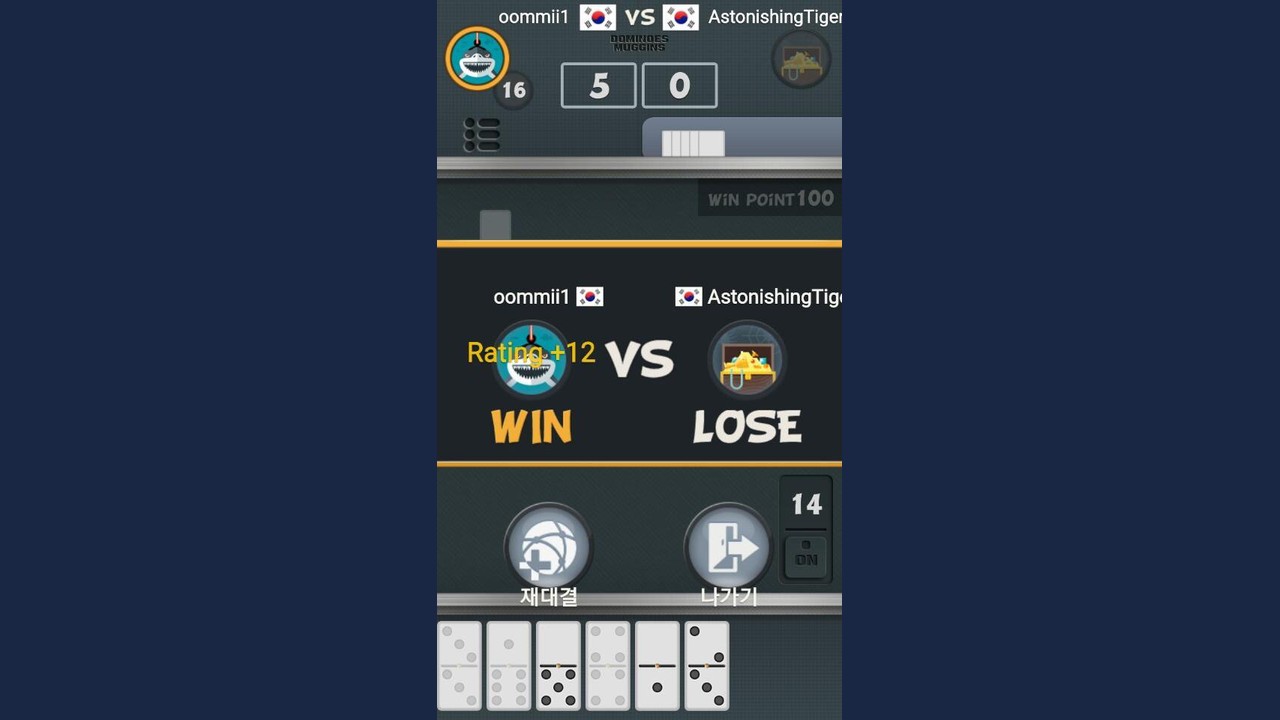
Every hand of DR Dominoes is a sorting problem. With a double-six set of 28 tiles, you will not hold everything you want—so priority means knowing what to keep, what to dump, and when a blank or high double flips from asset to liability. This page ranks tile priorities for Muggins / All Fives, with notes for All Threes and Fives and Threes. The free Android and iOS app from SUD Inc. supports both online and offline play, so you can test these decisions against AI or live opponents.
Cross-link to the Tier List Hub, Opening Moves, strategy, Muggins / All Fives, and the score helper while you practice.
Priority framework
Score tiles on three axes:
- Connectivity — How many other tiles in your hand share a pip?
- Scoring leverage — Can this tile create or deny a multiple of five (or three)?
- Endgame weight — If the hand locks, how expensive is this bone in leftover pips?
High connectivity + leverage = hold. Low connectivity + high leftover weight = dump early.
Hold / dump matrix (All Fives)
| Priority | Tiles / patterns | Default action |
|---|---|---|
| Hold hard | Flexible mid tiles that bridge two suits you own; a blank that is your only soft exit; a high double you can still score or cap with | |
| Hold soft | Duplicate mids in a live suit; low tiles that keep multiple outs | |
| Dump soon | Orphaned high singles with no matching end in hand; awkward duplicates that clog draws | |
| Dump now | Heavy tiles that cannot touch either open end and will punish you if the board locks |
Re-evaluate after every opponent play. An “orphan six” becomes valuable the moment a six end appears.
Blanks: the quiet swing tiles
Blanks (0) count as zero on open ends. That makes them uniquely powerful:
- Playing a blank onto a 5 end can leave a count of just the other end—often creating or destroying a multiple of five.
- Holding a blank can save you when both open ends are hostile.
- Dumping your last blank early can leave you unable to escape a locked suit later.
Rule of thumb: do not auto-play a blank for “tempo” until you have summed the resulting ends. In All Threes, the same zero can swing multiples of three just as violently. In Fives and Threes, blanks are even more precious because more totals pay.
High doubles: score engines or anchors
Exposed doubles often count both halves toward the open-end sum until the position is fully developed. That is why [6-6], [5-5], and [4-4] feel explosive in All Fives:
- Hold a high double when you can still place it for 10+ or use it to control branches.
- Play it when the score is large and you retain follow-ups.
- Fear it late if it sits dead in hand—double-six leftover pips hurt when the hand ends.
If you opened with a high double (see Opening Moves), your mid-hand priority becomes protecting the suits that keep that structure alive.
Suit-count discipline
Before dumping, count how many tiles you hold in each pip 0–6. Priorities:
- Never voluntarily empty a suit that still appears on an open end unless you are racing to domino.
- Prefer dumping from your longest suit when that suit is not currently open—reduce future brick risk.
- When two dumps look equal, choose the lower leftover pip total for end-of-hand safety.
This discipline matters in both online pace matches and offline training sessions.
End-control tiles
Some bones are less about your score and more about denying theirs:
- Tiles that turn a juicy open double into a dead count.
- Soft pips that leave an end the opponent has already shown weakness in.
- Plays that keep the sum off 5/10/15/20 when you cannot be the one to cash it.
End control is a top-tier skill in Fives and Threes because opponents have more ways to score. Practice saying “no” to a small personal score that opens a larger reply.
Worked priority examples
Example 1 — Blank decision
Open ends show 5 and 4 (sum 9). You hold [5-0] and [4-2].
- [5-0] leaves ends 0 and 4 → sum 4 (no All Fives score).
- [4-2] leaves ends 5 and 2 → sum 7 (no score).
Neither scores now. Prefer the play that preserves future outs and suit balance—often keeping the blank if it is your only zero, unless you need to shed weight.
Example 2 — High double cash-in
One open end is 6, the other is 4. You hold [6-6]. Playing it (when legal as matching the six) can create a large double-exposed count. If the math hits 10, 15, or 20, taking the points is usually correct if you still have sixes or a plan for the new shape. If [6-6] is your last six and the rest of your hand is disconnected, consider whether a quieter six play dumps safer tiles first.
Example 3 — Dump before lock
Boneyard nearly empty, you hold [6-5] and [2-1], and neither end matches. You cannot play—but for future hands and for understanding, recognize that [6-5] is the dangerous leftover. In earlier turns, dumping that high orphan should have been priority one.
Confirm sums anytime with the score helper.
Variant notes
- All Fives / Muggins: prioritize tiles that create multiples of five and deny the same.
- All Threes: identical hold/dump logic, different paying totals (3, 6, 9, 12…).
- Fives and Threes: hold flexible tiles longer—more counts are “live,” so connectivity rises in value versus raw pip dumping.
Practice loop
- Play offline All Fives and annotate every dump: connectivity, leverage, leftover weight.
- Repeat one hand asking which blank decision changed the scoreboard.
- Move online and force yourself to pause one second before playing any double or blank.
- Review stubborn losses against the strategy guide.
Tile priority is the quiet half of DR Dominoes mastery. Openings get you into the hand; hold/dump choices decide whether you still have a hand when the board gets mean. On Android and iOS, in free+ads sessions from SUD Inc., the players who respect blanks and high doubles leak fewer points—and strand fewer sixes—every single deal.
Related pages
- Tier List Hub
- Opening Moves
- Tools Hub and Score Helper
- Modes Hub for online vs offline practice choices
Frequently Asked Questions
Quick answers to the most common questions.
Should I always keep blanks?
Not always. Keep a blank when it is your only soft exit or when zeroing an end creates a scoring window. Dump it if it is dead weight and you still have other escapes.
When should I play a high double?
Prefer moments where the exposed double creates a multiple of five (All Fives) and you still have follow-up tiles. Avoid parking a stranded double-six late.
What tiles should I dump first?
Orphaned high tiles that cannot touch current ends, especially if leftover pips would hurt when the hand locks.
Does tile priority change in All Threes?
Hold/dump logic stays similar, but you optimize for multiples of three. Connectivity still beats greed.
How do I train tile priority quickly?
Use offline mode, annotate each dump, and verify open-end sums with the score helper after every double or blank play.