
DR Dominoes How to Play Dominoes
Core table flow for the double-six set before variant scoring.
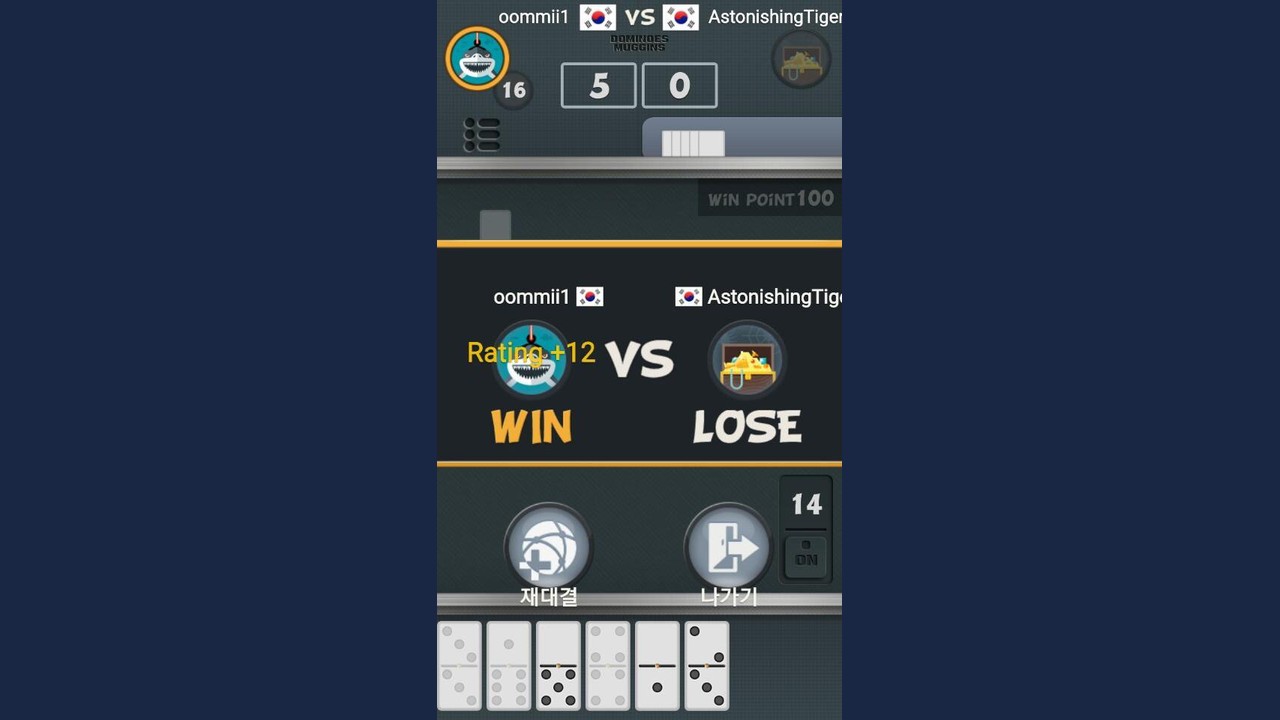
Before you chase Muggins points in DR Dominoes, lock in the shared Dominoes table flow. This guide covers the classic double-six set of 28 tiles, how hands are dealt, how matching ends work, what doubles do, when to draw from the boneyard, and how a hand ends by going out or blocking. Scoring variants change when you earn points; they do not replace these fundamentals. Pair this page with Getting Started for app onboarding and with Muggins / All Fives once matching ends feels automatic.
The double-six set
A standard set includes every combination of two ends from 0 (blank) through 6, including doubles. That produces 28 unique tiles: [0|0] through [6|6], plus mixed tiles like [3|5] and [1|6]. DR Dominoes is built around this set. Knowing the inventory matters later for counting—see Strategy—but on day one you only need to recognize pip patterns quickly on a phone screen.
Shuffle, deal, and hand size
Tiles are shuffled face down. In typical two-player Dominoes, each player often receives 7 tiles; more players usually receive fewer so the boneyard stays meaningful. Exact deal counts can vary by mode or table size inside the app, so trust the on-screen hand you are dealt. Remaining tiles form the boneyard (draw pile). Keep your hand private; only played tiles and open ends are public information.
Who starts? Many tables use the highest double, a set lead tile, or an app-assigned first player. Follow the in-game prompt. If you lead, place a legal starter according to the mode rules—often any tile or a required double—then play proceeds clockwise or in the order the client shows.
Matching ends: the only legal connection
After the opening tile, every play must touch an open end with a matching number. If the chain shows open 5 and open 2, you may play a tile that shows 5 on the 5-end or 2 on the 2-end. You cannot place a 6 against a 4. Mis-taps happen on mobile; use Controls habits to confirm the highlighted end before committing.
The layout grows into a line or branching shape depending on doubles and spinner rules. In basic play without worrying about scoring yet, your job is simply: hold a match for an open end, or draw/pass according to rules.
Doubles
A double shows the same number on both ends ([4|4], [0|0], and so on). Doubles are usually placed crosswise (perpendicular to the chain) so both halves of that number remain visually clear. In many point Dominoes variants, the first double—or a designated double—acts as a spinner, allowing play off multiple arms. Spinner details and how arms count toward open-end totals belong in Scoring and Spinners and the variant pages; here, remember that doubles are bridges and often the most important tempo tiles in the set.
The boneyard: drawing when you cannot play
If none of your tiles match an open end, you typically draw from the boneyard until you get a playable tile or the boneyard is exhausted (rules vary on whether you draw one tile or keep drawing). When the boneyard is empty and you still cannot play, you pass. Passing is not optional pride—it is required honesty. Online timers punish hesitation; know quickly whether you can play.
Blocked positions are normal. Good players plan ahead so they are not forced into long draw sequences while opponents score. That planning is strategy; the mechanical rule is simple: no match means draw or pass as the mode requires.
Going out and ending the hand
A hand usually ends when a player goes out (plays their last tile) or when the game is blocked (no one can play and drawing is finished). Going out is the cleanest finish: you empty your hand and the opponents’ remaining pips often matter for end-of-hand scoring in point variants. In blocked games, players compare remaining tiles; lower leftover pips is better for you when the mode awards the difference or counts remaining spots against holders.
Exact end-of-hand point formulas depend on All Fives vs All Threes vs Fives and Threes. Read:
Do not mix kitchen-table house rules into DR Dominoes if the app’s mode description differs. Play the variant you selected.
A sample non-scoring turn cycle
- Opponent plays
[5|3]onto an open 5, leaving open ends that now include 3 (and whatever else was already open). - You scan your hand for any 3 (or other currently open numbers).
- You play
[3|6], changing that open 3 into an open 6. - If you cannot play, you draw or pass.
- Repeat until someone goes out or the table blocks.
Only after this loop is boring should you obsess over whether the open-end sum is divisible by 5 or 3.
Common beginner mistakes
- Playing any matching tile without reading the new open ends. Legal is not the same as good—especially once scoring starts.
- Forgetting doubles are still just one number.
[6|6]matches a 6-end; it does not magically match a 5. - Ignoring the boneyard count. Few tiles left means fewer escapes when you are stiff.
- Rushing taps online. A misplayed end can gift a scoring board; see Online Multiplayer.
- Skipping offline practice. Getting Started recommends All Fives offline before queues.
Practice drills that actually help
Play three offline hands where you only care about legality and speed. Then play three hands where after every move you say the open ends aloud. Then play three All Fives hands where you also say whether the total scores. That progression builds the exact skill DR Dominoes rewards. When you are ready to optimize, continue with Strategy and the Tier List Hub.
How this fits the rest of the wiki
This page is the rules spine. Variant pages teach scoring. Strategy teaches decisions. Controls teach the mobile UI. Online Multiplayer teaches pace and etiquette. If a friend only needs “how do the tiles connect?”, send them here. If they ask “why did that play score 15?”, send them to All Fives or Scoring and Spinners instead.
Frequently Asked Questions
Quick answers to the most common questions.
How many tiles are in DR Dominoes?
It uses a standard double-six set: 28 unique tiles from blank–blank through six–six.
What do I do if I cannot play?
Draw from the boneyard per mode rules, or pass if the boneyard is empty and you still have no match.
How does a hand end?
Usually when a player goes out (plays their last tile) or the game blocks with no legal plays left.
Are doubles played differently?
Doubles match their number like other tiles but are typically placed crosswise; some variants treat a double as a spinner with multiple arms.
Where do I learn All Fives scoring?
Read Muggins / All Fives after this page, then Scoring and Spinners for math edge cases.