
DR Dominoes Matchmaking Queues & Fair Play
Realistic wait expectations, warm-up habits, etiquette, and calm reports.
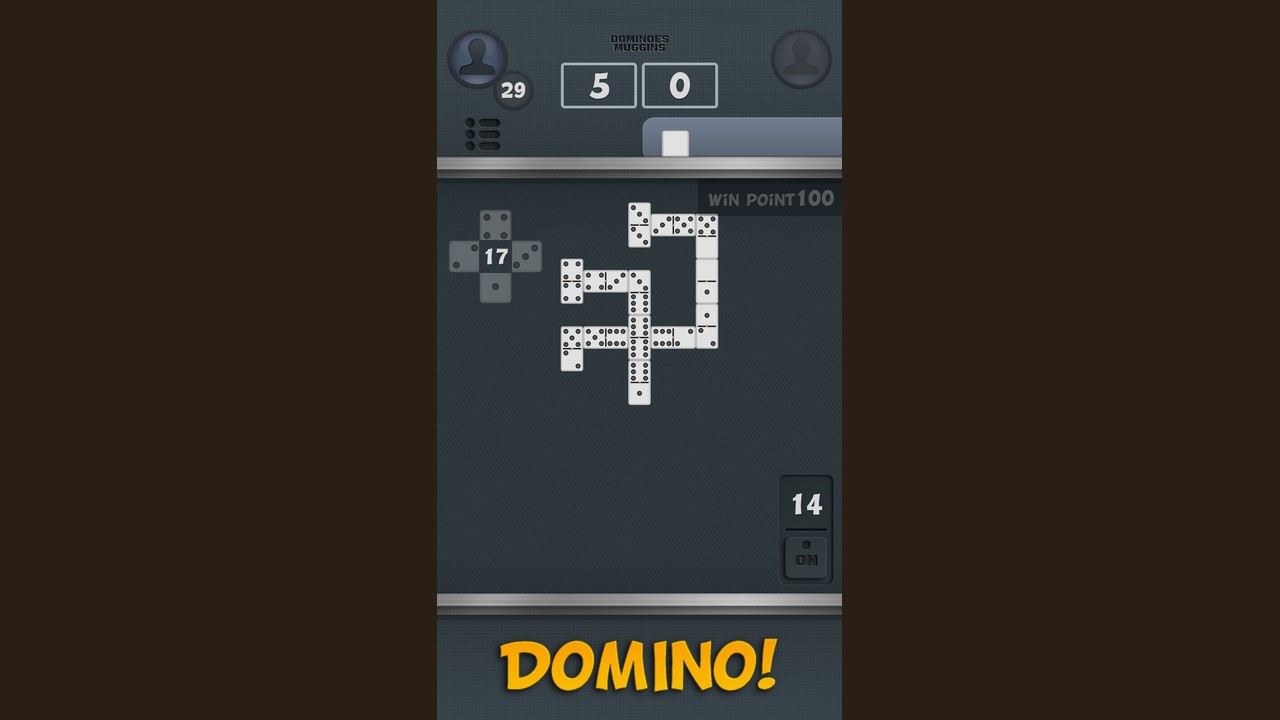
DR Dominoes online matchmaking is part of a free Android and iOS client from SUD Inc. (Studio UpDown), supported by ads, running the classic double-six set of 28 tiles. Queues can feel uneven: some evenings pair quickly, other stretches crawl. Player reviews sometimes cite waits around 15–20 minutes, and a minority of sessions end in cheat accusations that are hard to prove from the outside. This page sets realistic expectations, shares practical tips, covers fair-play etiquette, and explains how to report problems without inventing anti-cheat systems the wiki cannot verify.
For live-table tactics, see Online multiplayer mode. For timers, disconnects, and broader multiplayer flow, use the Online Multiplayer guide. Warm up in offline practice whenever a queue stalls. Patch cadence notes live on the Updates Hub; stores and updown.an@gmail.com are on the Links Hub.
What “joining a queue” really means
You pick a mode/variant, enter matchmaking, and wait for a compatible opponent. Population splits across:
- Time of day and local evening peaks
- Android vs iOS clients (update cadence differs—Android 1.28, Jul 2025, vs older iOS baselines such as ~1.25)
- Scoring variants (Muggins / All Fives, All Threes, Fives and Threes)
- Regions and network quality
A free Dominoes app with multiple rule sets rarely keeps every queue hot at once. Long waits are frustrating and common; they are not automatic proof that your account is broken.
Queue expectations (calibrated, not sugar-coated)
| Situation | Realistic expectation |
|---|---|
| Peak evening in a busy region | Faster pairs are more likely |
| Midday / late-night quiet hours | Longer searches, sometimes many minutes |
| Niche variant or off-platform friends comparing notes | Feels emptier than “default” All Fives |
| Reviews citing 15–20 minute waits | Treat as a known pain point in some pools, not a universal timer |
Plan sessions with flexible time. If you only have two minutes, play offline instead of staring at a spinner.
Tips that make long waits less painful
- Queue when you can wait — Start matchmaking when you have a buffer, not during a micro-break.
- Try regional peak hours — Early evening local time often beats sparse midday pools.
- Warm up offline first — One All Fives counting hand before you queue keeps your brain ready if the match finally pops after a long idle. Use offline mode.
- Keep a secondary drill ready — Score sums, opening templates, or a quick controls check so the wait is not dead time.
- Avoid rage-requeue loops — Canceling and restarting every thirty seconds rarely fills a thin pool faster and burns focus.
- Time-box the night — “Two online matches, then stop” beats chasing one more game after a twenty-minute wait and a bad draw.
- Stay updated — Install current Android builds (see Updates Hub) so you are not debugging obsolete clients while blaming matchmaking.
Fair-play etiquette at the table
Online Dominoes stays pleasant when both sides respect the same basics:
- Play the variant you queued; do not argue kitchen-table house rules mid-hand.
- Accept legal scores even when they sting; recount open ends quietly if surprised.
- Do not stall every turn until the last second of the timer—pace is fine, clock abuse is not.
- Finish hands you started unless the client offers a clear resign/exit path.
- Keep chat civil if messaging exists; mute early when needed.
- Remember ads fund the free SUD Inc. client—they are friction, not a personal attack.
Good etiquette does not guarantee short queues. It does reduce the chance that a slow night turns into a toxic one.
When a match feels “off” or unfair
Some players report suspected cheating or impossible-feeling lines. Stay practical:
- Recount open ends and spinner arms — UI compression and haste cause false alarms.
- Confirm the variant — Hunting multiples of five on an All Threes table feels “broken” until you notice the modulus.
- Check your client version — Compare Android/iOS strings before assuming unique abuse.
- Screenshot odd settlements if you plan to contact support.
- Take a break after a suspicious hand—tilted play often loses the next three anyway.
Most dramatic boards are miscounts, mixed variants, or sharp-but-legal denial. Genuine abuse deserves a calm report, not wiki speculation about hidden systems.
What to do if you suspect cheating
This fan wiki does not invent anti-cheat tools, detection scores, or ban timelines. DR Dominoes is a free online Dominoes client; public documentation of proprietary enforcement is limited. Your best path:
- Note platform (Android/iOS) and exact app version.
- Note mode (online) and variant.
- Describe what looked impossible in plain language (tile played, open ends, score awarded).
- Attach screenshots if available.
- Email support at updown.an@gmail.com (also linked from the Links Hub).
- Stop the session if you are too frustrated to play well.
Do not harass opponents in chat, do not spread unverified accusations, and do not expect this wiki to “confirm” cheats from second-hand stories.
Offline warm-up as matchmaking hygiene
Long queues punish cold starts. A simple pre-queue routine:
- One offline hand narrating open-end sums aloud.
- One offline hand focused on safer leaves instead of greedy marginal scores.
- Quick controls glance so mis-taps do not look like weird plays to others.
- Enter matchmaking with a written time box.
That routine is also your fallback when reviews’ 15–20 minute waits show up in your region. Offline practice is recommended not because online is “fake,” but because waiting without a drill wastes the evening.
Mental framing for ads, waits, and accusations
- Waits are a population problem first.
- Ads are the free-to-play funding model.
- Accusations need evidence and official channels.
- Skill still decides most fair tables: counting, denial, and leftover pip control.
Players who treat every delay as betrayal play worse when the match finally starts. Players who budget for friction keep clearer heads for end control. Deeper pace and disconnect notes live in the Online Multiplayer guide; mode identity lives on Online.
Related links
- Online multiplayer mode
- Online Multiplayer guide
- Offline / singleplayer practice
- Updates Hub
- Links Hub — support email and store listings
Matchmaking in DR Dominoes rewards patience plus preparation. Expect uneven queues, warm up offline, keep etiquette high, and send versioned reports to updown.an@gmail.com when something truly looks wrong—then return to the same 28-tile math that wins fair hands.
Frequently Asked Questions
Quick answers to the most common questions.
Why are DR Dominoes matchmaking queues sometimes so long?
Player pools split across time of day, platform, region, and scoring variants. Some reviews cite waits around 15–20 minutes in quiet pools—plan flexible time and warm up offline.
What should I do while waiting in queue?
Run a short offline counting or opening drill, avoid rage-requeue loops, and keep a session time box so a long search does not tilt the whole night.
How should I handle suspected cheating?
Recount ends, confirm the variant and your app version, screenshot odd results, then email updown.an@gmail.com. Do not invent anti-cheat claims this wiki cannot verify.
Does fair play change the rules of All Fives?
No. Fair play is about etiquette, timers, and honest reporting. Scoring still follows the double-six variants you queued.
Where can I read more about online play and updates?
See the online mode page, the online multiplayer guide, the Updates Hub for client versions, and the Links Hub for official support contacts.